
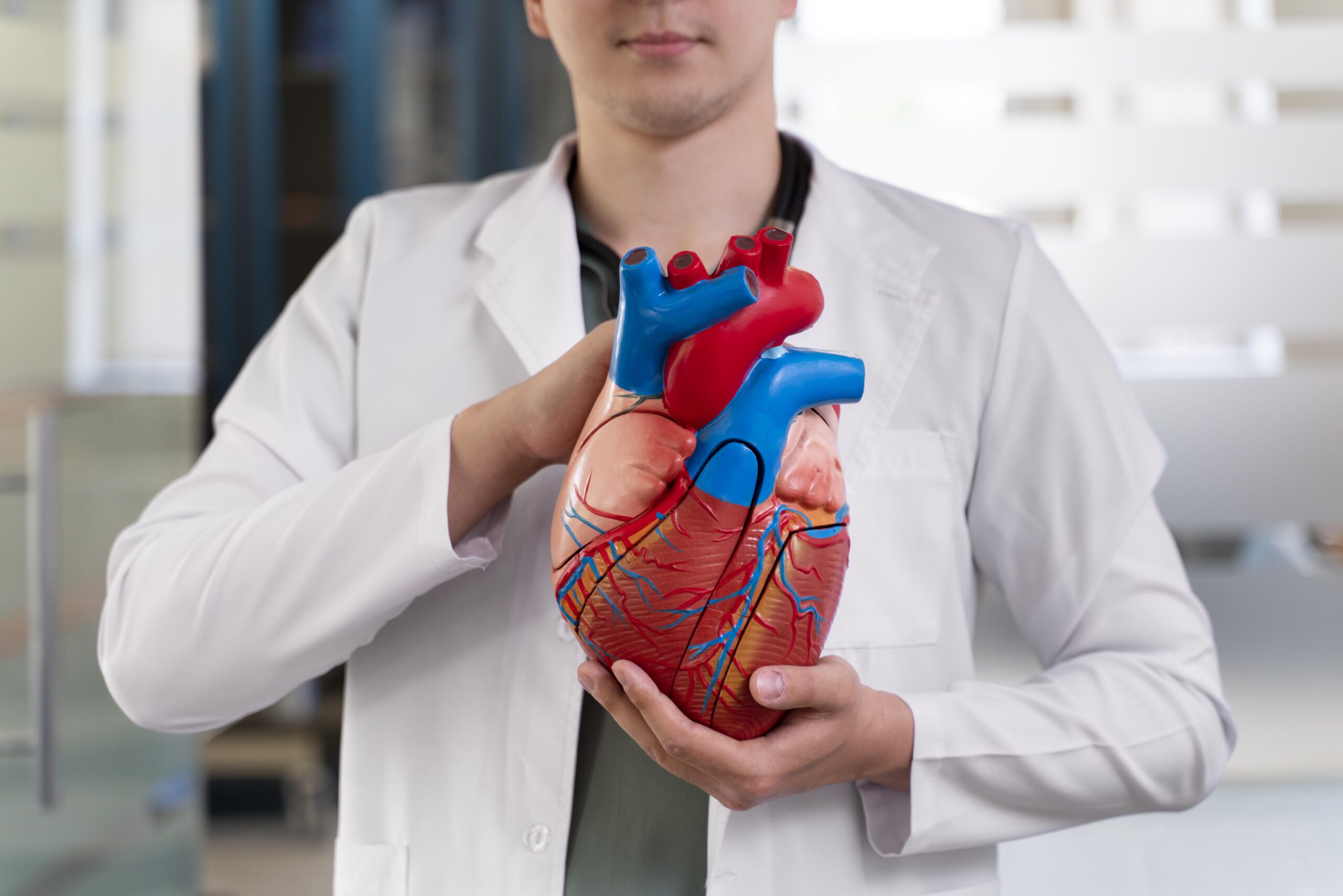
What is BLS?
BLS is defined as a set of life-saving techniques that maintain a patient’s airway, breathing, and circulation during medical emergencies, particularly cardiac arrest. It’s not exclusive to healthcare professionals; it’s a skill set that the public can and should learn, given emergencies can occur anywhere, at any time (What is BLS? | Red Cross). BLS has a critical role in the chain of survival, a concept emphasized by medical guidelines (2020 AHA Guidelines).
Importance of BLS
Cardiac arrest is a leading cause of death globally, with survival chances decreasing by approximately 10% for each minute without intervention. BLS, especially CPR, is vital as it keeps blood and oxygen flowing to the brain and other organs, significantly enhancing survival rates. Research from the American Heart Association indicates that immediate CPR can double or even triple a person’s chance of survival, highlighting its life-saving potential (2020 AHA Guidelines). Unfortunately, bystander intervention remains low due to a lack of training and confidence. This is where BLS training becomes essential.
Core Components of BLS
1. Recognizing an Emergency: The first step is identifying when someone is in distress. Checking for responsiveness, breathing, and pulse helps determine the need for intervention.
2. High-Quality CPR: Effective chest compressions and rescue breaths are the cornerstone of BLS. The American Heart Association (AHA) emphasizes the importance of pushing hard and fast at a rate of 100–120 compressions per minute and ensuring full chest recoil. (Algorithms for BLS 2020).
3. AED: Early Defibrillation with an AED: Automated External Defibrillators (AEDs) are increasingly available in public spaces. A timely shock can restore a normal heart rhythm in cases of sudden cardiac arrest early use potentially increasing survival rates by up to 75%
4. Managing Airway and Breathing: For unconscious patients, ensuring an open airway and providing rescue breaths when necessary, can prevent fatal complications. Techniques like the Heimlich maneuver dislodge airway obstructions, preventing asphyxiation, a critical skill in BLS training (Basic Life Support Knowledge).
5. Teamwork and Communication: In a medical setting or even in a bystander scenario, effective communication and coordination among responders can improve outcomes.
Role of Medical professionals in BLS
Physicians play a multifaceted role in BLS, reflecting their expertise and responsibility:
- Training: Teaching BLS courses to colleagues and the public, ensuring wide dissemination of these skills. This is crucial for maintaining community preparedness, as seen in courses offered by organizations like the Red Cross (BLS Training | AHA).
- Advocacy: BLS training in communities, schools, and workplaces is essential since a well-trained public enhances survival rates for out-of-hospital cardiac arrests, as supported by studies showing higher survival in trained communities (Difference Between BLS and CPR | Red Cross).
Recent Developments and Guidelines
The American Heart Association updated its BLS guidelines in 2020, with no new updates in 2023, ensuring current practices reflect the latest science (CPR and ECC Guidelines | AHA). Key updates include:
- Emphasis on high-quality chest compressions, minimizing interruptions, and early AED use.
- Introduction of hands-only CPR for lay rescuers uncomfortable with rescue breaths, making BLS more accessible
These guidelines are designed for North American healthcare providers but are relevant globally, with adaptations in countries like Italy for first responders (Basic life support – Wikipedia).
Regular Recertification and Technology in Training
BLS skills require regular practice, with the AHA recommending recertification every two years to keep skills current and incorporate guideline updates (BLS and CPR Recertification | Red Cross). Technology enhances training through simulation tools and online courses, offering interactive and flexible learning options, which improves student engagement and effectiveness (BLS Training Options | AHA).
BLS in Other Emergencies
BLS extends beyond cardiac arrest, applicable to drowning (using CPR), choking (via techniques like abdominal thrusts), and opioid overdoses (with rescue breathing), showcasing its versatility and reinforcing its broad utility
Conclusion and Call to Action
BLS is a fundamental skill that can save lives, and empowers individuals to act with confidence in emergencies. Whether you’re a healthcare professional or a member of the public, learning BLS can make you a vital link in the chain of survival. Healthcare professionals must also stay updated on the latest guidelines to provide the best possible care.
By equipping more people with BLS knowledge, we build a community that is prepared, proactive, and, most importantly, life-saving.
Table: Summary of BLS Components and Their Applications
| Component | Description | Application Example |
| CPR (Cardiopulmonary Resuscitation) | Chest compressions and rescue breaths to circulate blood and oxygen | Used in cardiac arrest to maintain circulation |
| AED (Automated External Defibrillator) | Device to detect and correct abnormal heart rhythms | Applied in cardiac arrest to restore normal rhythm |
| Choking Relief | Techniques to clear airway obstructions | Used in choking emergencies to prevent asphyxiation |
| First Aid for Other Emergencies | Basic care for conditions like stroke, heart attack | Managing severe bleeding or recognizing stroke signs |
Key Citations
What is BLS? Meaning and Certification Details | ProMed Certifications
2020 American Heart Association Guidelines for CPR and ECC
What is BLS? Basic Life Support | Red Cross
Basic Life Support Explained: Meaning and Significance
Algorithms for Basic Life Support 2020
BLS Guidelines 2023: The Latest Updates | ProTrainings
Basic life support knowledge of healthcare students | PMC
What Does BLS Mean? Online CPR & First Aid Certification
BLS Training for Healthcare Professionals | AHA
Part 3: Adult Basic and Advanced Life Support | AHA
Difference Between BLS and CPR Certification | Red Cross
Updated AHA Basic and Advanced Cardiac Life Support with COVID-19 | PMC
Part 1: Executive Summary 2020 AHA Guidelines | AHA
Basic Life Support (BLS) – Physiopedia